Pool Leak Detection
Near Me
Losing water faster than normal? A pool leak can waste money, damage decking, wash out soil, strain equipment, and turn a relaxing backyard into a slow-motion plumbing mystery. We help homeowners in Ormond Beach, Daytona Beach, Port Orange, and Volusia County get connected with pool leak inspection, water loss diagnosis, pressure testing, and repair guidance.
Searching for Pool Leak Detection Near Me?
If your pool keeps losing water, the first step is figuring out whether it is normal evaporation or an actual leak. Florida heat, wind, and sun can cause evaporation, but constant refilling, soggy spots, air in the lines, or water dropping below a certain level can point to a leak.
Pool leaks can come from skimmers, returns, lights, main drains, cracked shells, equipment pad connections, valves, underground plumbing lines, or aging surfaces. The annoying part is that many leaks are not obvious from the surface, because naturally the expensive problems prefer hiding underground like cowards.
Pool leak detection helps narrow down the source before water loss turns into deck damage, soil erosion, higher bills, equipment strain, or a larger repair.
Signs You May Have a Pool Leak
- Water level drops faster than usual
- You refill the pool frequently
- Wet spots around the pool or equipment pad
- Air bubbles coming from return jets
- Loose tile, cracks, or hollow spots
- Sinking or shifting pool deck areas
- Higher water bills
- Chemicals will not stay balanced
Common Pool Leak Locations
A swimming pool leak can come from several places. Finding the source matters, because guessing is how homeowners end up fixing the wrong thing beautifully.
Skimmer Leaks
Skimmers are common leak points, especially where the skimmer throat meets the pool shell. Movement, age, cracks, and seal failure can all cause water loss.
Return Line Leaks
Return fittings and underground return plumbing can leak due to movement, cracked fittings, pressure issues, or aging pipes beneath the deck.
Light Niche Leaks
Pool light niches can leak around conduit, seals, or fittings. These leaks can be subtle and may require proper testing to confirm.
Main Drain Leaks
Main drains and suction lines can be harder to diagnose because they are underwater and tied into underground plumbing.
Shell Cracks
Cracks in gunite, plaster, or structural areas may allow water loss and should be reviewed before resurfacing or remodeling.
Equipment Pad Leaks
Pumps, filters, valves, heaters, salt systems, unions, and plumbing connections can leak and may be easier to spot than underground issues.
Normal Evaporation vs. a Real Pool Leak
Not every drop in water level means your pool is leaking. Florida pools lose water from evaporation, especially during hot, dry, windy weather. Splash-out, backwashing, and heavy usage can also lower water level.
But if the pool is dropping consistently, losing water overnight, falling below a specific fitting, or needing constant refills, it is time to take the issue seriously. Water going somewhere it should not go is rarely a long-term strategy. Bold, yes. Smart, no.
A pool leak inspection can help determine whether the water loss is normal or whether the pool needs targeted testing and repair.
When to Call for Leak Detection
- Water drops more than expected daily
- Water loss continues overnight
- The pool stops leaking at a certain level
- Equipment loses prime
- Return jets show air bubbles
- Decking feels hollow or unstable
- Soil or landscaping stays wet
- Water bills increase unexpectedly
How Pool Leak Detection Works
The goal is to isolate the source of water loss before unnecessary repairs begin. Revolutionary idea: diagnose first, destroy later.
Water Loss Review
Review how quickly the pool is losing water, when it happens, and whether it stops near a fixture or fitting.

Equipment Check
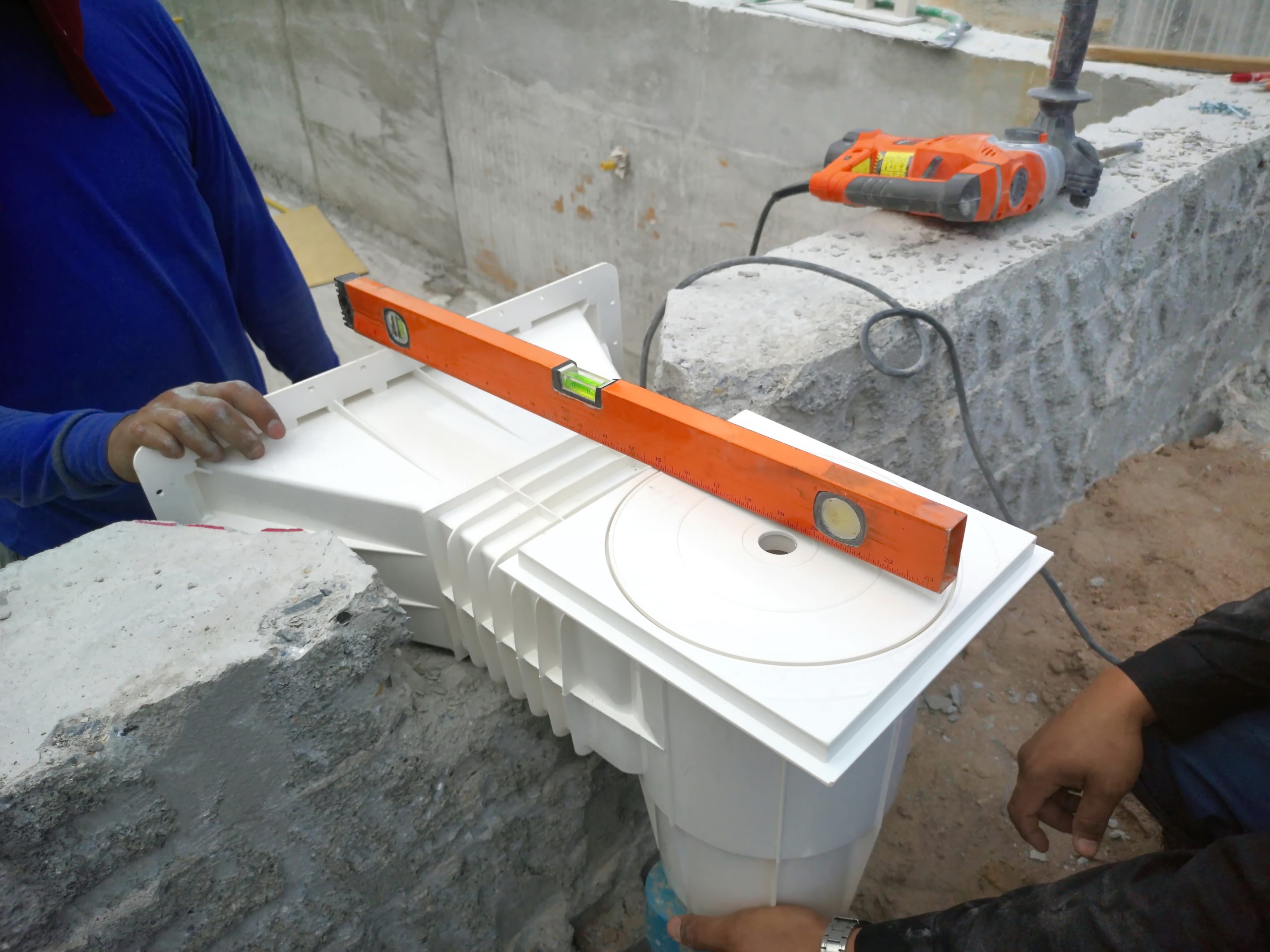
Inspect the pump, filter, valves, heater, salt system, plumbing connections, unions, and equipment pad for visible leaks.
Pool Inspection
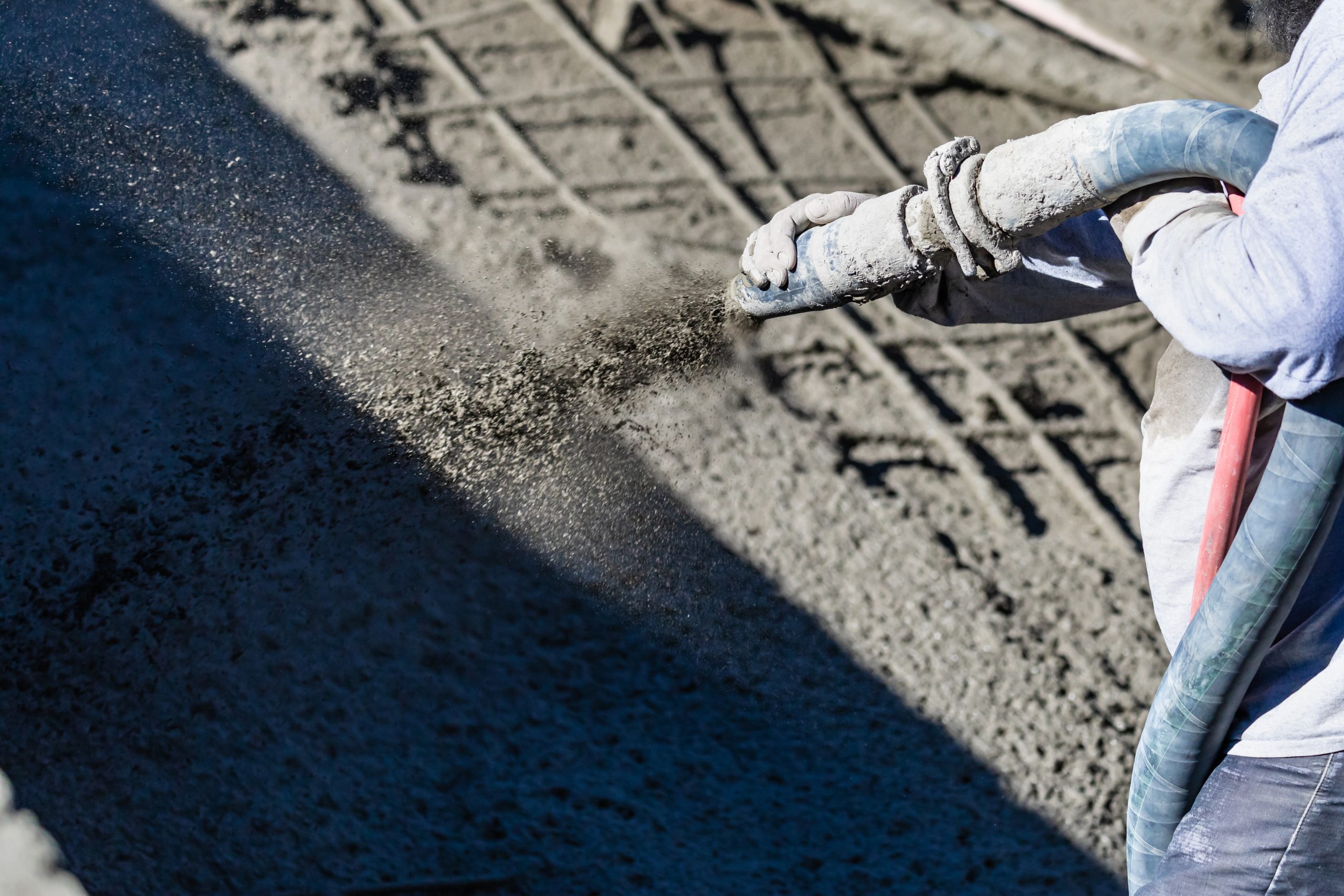
Review skimmers, returns, tile line, lights, fittings, cracks, surface condition, and likely leak points around the shell.
Repair Guidance
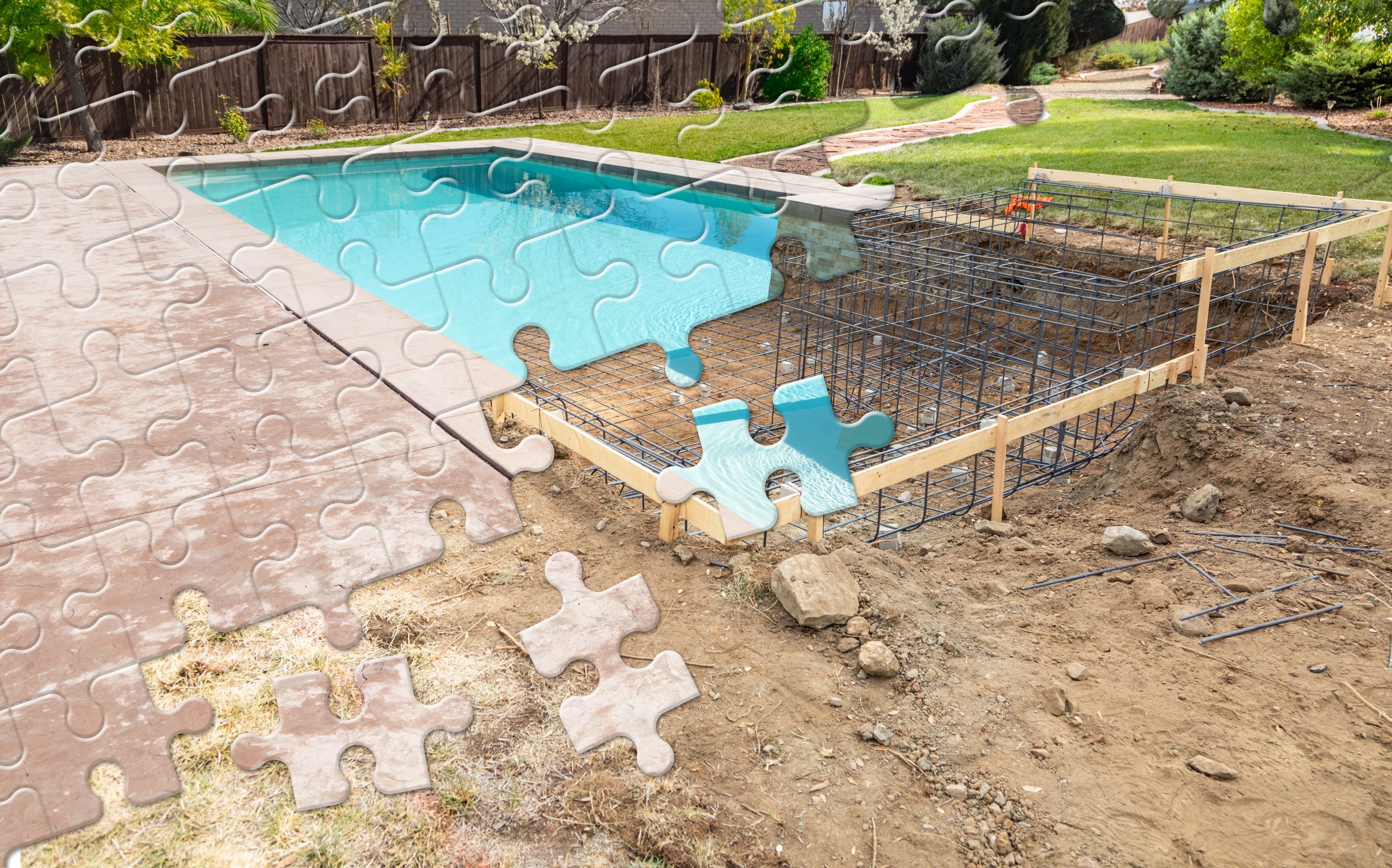
Once the likely source is identified, the next step is repair planning, whether minor fitting repair, plumbing work, resurfacing, or remodel work.
Pool Leak Detection for Ormond Beach, Daytona Beach & Port Orange
Homeowners across Ormond Beach, Daytona Beach, Port Orange, Holly Hill, South Daytona, and nearby Volusia County communities deal with pool leaks caused by age, ground movement, old plumbing, worn equipment, storm impacts, resurfacing needs, and long-term Florida exposure.
Local leak detection matters because Florida pools deal with sandy soils, heavy rain, heat, salt air near the coast, aging decks, screen enclosure runoff, and equipment that runs hard for much of the year.
If your pool is losing water, do not wait until the deck shifts, the soil washes out, or the equipment starts running dry. That is not patience. That is just letting the problem build a tiny empire.
Service Areas
- Ormond Beach
- Ormond-by-the-Sea
- Daytona Beach
- Holly Hill
- South Daytona
- Port Orange
- New Smyrna Beach
- Volusia County
- Flagler Beach and nearby areas
Pool Leak Detection Near Me FAQs
Quick answers for homeowners searching for pool leak detection near Ormond Beach, Daytona Beach, Port Orange and Volusia County.
How do I know if my pool has a leak?
Common signs include water loss greater than normal evaporation, frequent refilling, wet spots around the pool or equipment, air bubbles in the returns, cracks, loose tile, sinking deck areas, rising water bills, and chemicals that will not stay balanced.
How much pool water loss is normal in Florida?
Some evaporation is normal, especially during hot, dry, or windy weather. However, consistent water loss, overnight water loss, or water that drops below a specific fitting may indicate a leak.
What causes swimming pool leaks?
Common causes include skimmer cracks, return fitting leaks, underground plumbing leaks, pool light niche leaks, main drain issues, equipment pad leaks, cracked shells, deteriorating plaster, worn seals, and structural movement.
Can leak detection find underground pool plumbing leaks?
Yes. Leak detection may include pressure testing, plumbing isolation, dye testing, visual inspection, equipment checks, and other diagnostic steps to help identify underground plumbing leaks.
Can a pool leak damage my deck or yard?
Yes. Ongoing water loss can wash out soil, damage decking, create erosion, affect landscaping, undermine pavers or concrete, and cause larger structural or drainage problems over time.
Should I fix a pool leak before resurfacing?
Yes. If a pool is leaking, the leak should be identified before resurfacing. Resurfacing without diagnosing the leak can waste money and leave the real problem untouched.
Do you offer pool leak detection in Daytona Beach and Port Orange?
Yes. Pool leak detection service areas include Ormond Beach, Daytona Beach, Port Orange, Holly Hill, South Daytona, New Smyrna Beach, and nearby Volusia County communities.
Request Pool Leak Detection Help
Tell us what is happening: water loss, wet spots, air in the lines, equipment leaks, cracked surfaces, loose tile, or frequent refilling. For faster help, call (386) 569-5669.