Travertine vs Pavers
Pool Decks
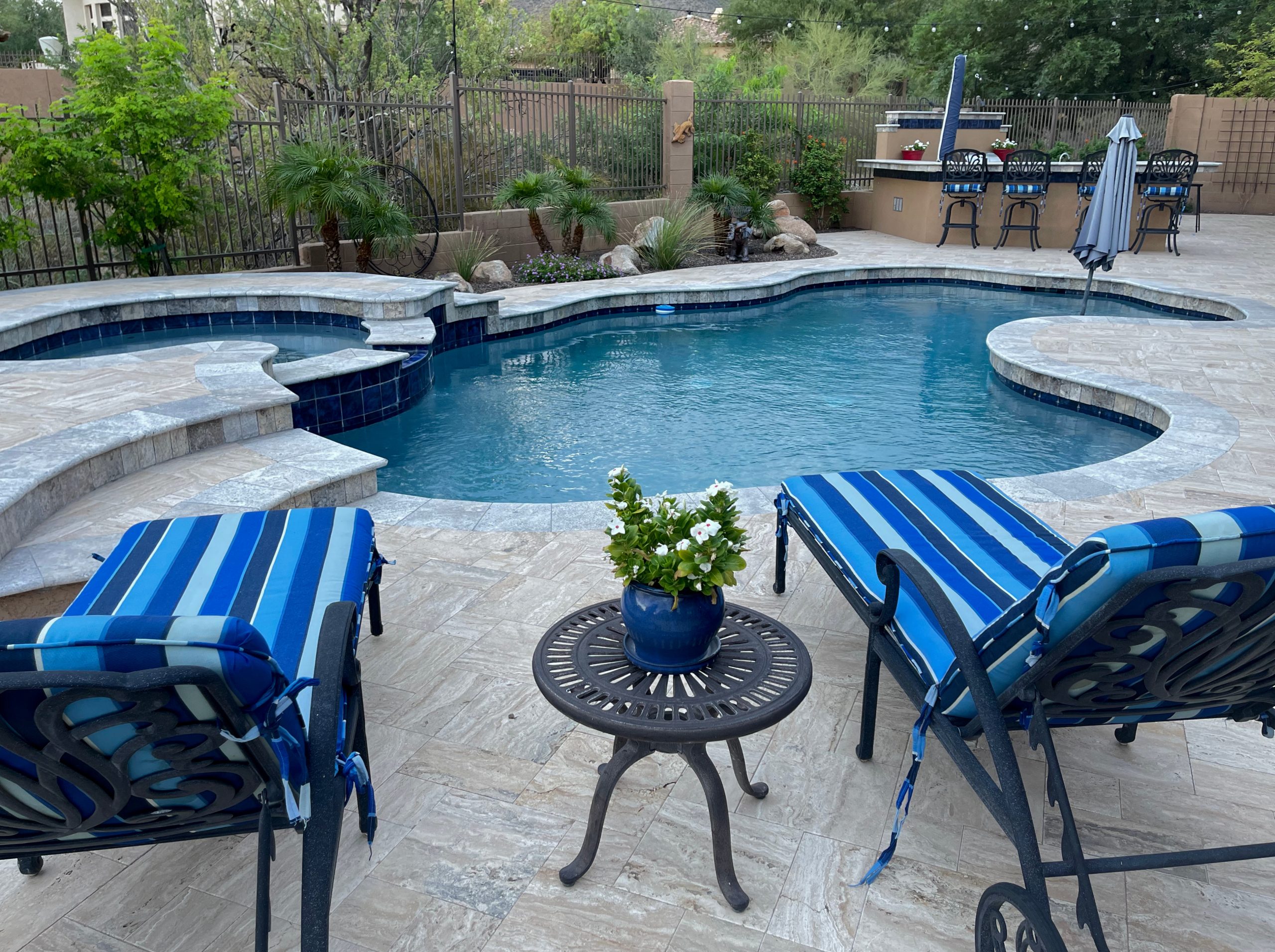
Travertine and concrete pavers are two of the most common pool deck choices in Florida. Both can work. Both can look good. Both can also become expensive regrets if the wrong material is installed in the wrong place with the wrong prep. So here we are, comparing stone and concrete like civilization depends on it. Around a pool, it kind of does.
Travertine vs Pavers: The Simple Answer
Travertine is a natural stone. Concrete pavers are manufactured concrete units. Around pools, travertine is often chosen for its luxury appearance, natural variation, lighter color options and comfortable feel underfoot. Concrete pavers are often chosen for affordability, pattern variety, availability and practical repairability.
For Florida pool decks, the biggest comparison points are surface heat, slip resistance, drainage, base preparation, maintenance, cost, appearance, repairability and how the material works with the pool coping, screen enclosure and outdoor living layout.
The best choice is not universal. It depends on the yard, budget, design style and how the pool area will actually be used. Shocking discovery: context matters. Humanity survives another paragraph.
Quick Recommendation
Choose travertine if you want a premium natural stone look, lighter tones, strong poolside comfort and a more upscale backyard finish.
Choose concrete pavers if you want more budget flexibility, many color and pattern options, strong repairability and a practical manufactured hardscape surface.
Either way, installation quality and drainage planning matter more than the brochure photo. Annoying, but true.
Travertine vs Pavers Comparison Table
This is the practical side-by-side comparison homeowners actually need before choosing a pool deck material.
| Category | Travertine Pool Decks | Concrete Paver Pool Decks |
|---|---|---|
| Material Type | Natural stone formed from limestone deposits. Each piece has natural variation. | Manufactured concrete units made in controlled shapes, colors and patterns. |
| Appearance | Premium, natural, upscale look with organic color variation and stone texture. | Wide variety of colors, shapes, patterns and styles, from simple to decorative. |
| Heat Comfort | Light-colored travertine generally feels more comfortable underfoot in Florida sun. | Heat depends heavily on color and density. Darker concrete pavers can become hotter. |
| Slip Resistance | Tumbled or textured travertine can provide good traction when properly selected. | Textured pavers can provide good traction, depending on finish and installation. |
| Cost | Usually more expensive due to natural stone material cost and installation details. | Often more budget-friendly, though premium pavers and complex layouts can raise cost. |
| Maintenance | May benefit from sealing to reduce staining and support long-term appearance. | May need joint sand maintenance, cleaning, sealing and occasional leveling. |
| Repairability | Individual pieces can often be replaced, but matching natural stone variation may take care. | Individual pavers can often be replaced more easily if matching units are available. |
| Best Use Case | Higher-end pool remodels, luxury backyards, natural stone designs and comfort-focused pool decks. | Budget-conscious installs, patterned hardscapes, patios, driveways, walkways and practical pool decks. |
What Is Travertine?
Travertine is a natural stone commonly used for pool decks, patios, walkways and outdoor living areas. It is available in paver formats and comes in colors such as ivory, cream, beige, walnut, silver and gold tones.
Around pools, travertine is valued because it provides a high-end natural appearance, works well with many architectural styles and can feel more comfortable underfoot than many darker hardscape materials. Tumbled travertine is especially common around pools because the surface and edges are softer and more textured.
The tradeoff is cost and maintenance. Travertine is usually more expensive than standard concrete pavers, and because it is natural stone, it should be selected, installed and maintained carefully. Stone is classy, but it is not immune to neglect. Nothing is. Except maybe weeds.
Travertine Advantages
- Premium natural stone appearance
- Often cooler-feeling in lighter colors
- Strong visual upgrade for remodels
- Good texture when tumbled
- Works well with coping and spas
- Natural variation creates character
- Popular for luxury pool decks
- Pairs well with outdoor living spaces
What Are Concrete Pavers?
Concrete pavers are manufactured hardscape units made in specific shapes, sizes, colors and textures. They are commonly used for driveways, patios, walkways and pool decks throughout Florida.
Pavers are popular because they are versatile, widely available and often more budget-friendly than natural stone. They can create clean patterns, borders, curves and transitions around pool decks and patios.
The main concerns are surface heat, color fading, joint maintenance, base preparation and long-term settling if the installation is not done correctly. Concrete pavers can be excellent. They can also look like a discount plaza if selected without taste. Civilization is fragile.
Paver Advantages
- Many colors, shapes and patterns
- Often more budget-friendly
- Individual pieces can be replaced
- Works for decks, patios and walkways
- Good design flexibility
- Widely available materials
- Can coordinate with driveways
- Strong practical hardscape option
Key Differences for Florida Pool Decks
Florida pool decks deal with sun, rain, humidity, salt air, storms, wet feet and people walking barefoot while carrying snacks like they are performing a circus act. Material choice matters.
Heat Underfoot
Light-colored travertine is often favored around Florida pools because it can stay more comfortable underfoot than darker concrete pavers. Color is a major factor for both materials.
Drainage
Both travertine and pavers need proper slope, base prep and drainage planning. Standing water is an installation problem waiting to become a maintenance problem.
Slip Resistance
Texture matters more than material name. Tumbled travertine and textured pavers can both provide good poolside traction when selected properly.
Appearance
Travertine usually looks more natural and upscale. Concrete pavers offer more uniform colors, patterns and manufactured design control.
Repairs
Both materials can often be repaired by replacing individual units, but matching older pieces can depend on color, weathering and availability.
Budget
Concrete pavers are often more cost-flexible. Travertine usually costs more but can create a stronger luxury finish.
Which Material Is Cooler Around a Pool?
Surface temperature depends on color, density, texture, sun exposure, airflow and surrounding materials. In general, lighter materials stay more comfortable than darker materials. Light-colored travertine is often chosen for Florida pool decks because it can feel cooler underfoot than many darker concrete pavers.
That does not mean every travertine deck is cool or every paver deck is hot. A pale concrete paver may be more comfortable than a dark stone. A shaded area may feel different than full sun. A screen enclosure can also affect heat, airflow and sun exposure.
The practical rule: if barefoot comfort matters, avoid dark pool deck materials in full sun. Feet are not philosophical. They will report your mistake immediately.
Heat Comfort Ranking
- Light colors usually feel cooler than dark colors
- Tumbled travertine is often comfortable poolside
- Darker concrete pavers can get hot in full sun
- Shade and airflow affect surface temperature
- Screen enclosures can change sun exposure
- Test samples in real sun when possible
Maintenance: Travertine vs Pavers
Both travertine and concrete pavers require maintenance. The details are different. Travertine may need periodic cleaning and may benefit from sealing to help reduce stains and protect appearance. Concrete pavers may require joint sand maintenance, cleaning, sealing and occasional leveling if settling occurs.
Pool decks also deal with sunscreen, leaves, organic stains, salt systems, chlorine, rain, irrigation overspray and foot traffic. No deck material stays perfect without care. This is rude, but consistent with the laws of owning things.
For either material, drainage, base preparation and installation quality have a major effect on long-term maintenance.
Maintenance Checklist
- Clean leaves and organic debris
- Control standing water
- Rinse spills and sunscreen buildup
- Inspect joints and edges
- Consider sealing when appropriate
- Watch for settling or loose pieces
- Maintain drainage paths
- Use proper cleaning products
Cost: Travertine vs Pavers
Concrete pavers are usually more budget-friendly than travertine. Travertine is a natural stone product and generally costs more for material and installation. However, total cost depends on deck size, demolition, base preparation, drainage, access, coping, pattern, material choice and whether the project is part of a larger pool remodel.
A small travertine deck may cost less than a large, complex paver project. A premium paver installation with borders, curves, drainage work and extensive prep can cost more than homeowners expect. The material is only one part of the estimate, because apparently projects enjoy multiplying variables.
The right comparison is not just price per square foot. It is total value, long-term appearance, comfort, maintenance and how the deck fits the rest of the pool area.
Cost Factors
- Deck square footage
- Existing deck removal
- Base preparation
- Drainage corrections
- Material grade and color
- Pattern complexity
- Coping replacement
- Screen enclosure coordination
When Travertine Is the Better Choice
Travertine makes the most sense when appearance, comfort and a premium poolside finish are priorities.
Luxury Pool Remodels
Travertine works well when resurfacing, tile, coping, lighting and deck upgrades are being coordinated into a full backyard renovation.
Barefoot Comfort
Light travertine is often favored where homeowners want a more comfortable pool deck surface in Florida sun.
Natural Stone Design
Travertine is a strong choice when the homeowner wants a natural, upscale look instead of a manufactured paver pattern.
When Pavers Are the Better Choice
Concrete pavers make sense when budget flexibility, pattern control and practical repairability are priorities.
Budget-Conscious Projects
Pavers can provide a clean pool deck upgrade at a lower material cost than many natural stone options.
Pattern Variety
Concrete pavers offer many shapes, colors, borders and design patterns for patios, walkways and pool areas.
Repair Flexibility
Individual pavers can often be removed and replaced if damaged, stained or affected by settling.
Installation Quality Matters More Than the Label
A well-installed paver deck can outperform a poorly installed travertine deck. A well-installed travertine deck can look and feel better for years than a cheap paver job rushed onto a bad base. The material matters, but installation quality is where pool decks either succeed or begin plotting against you.
For both materials, the project should include proper base preparation, compaction, drainage slope, edge restraints, coping transitions, joint treatment, access planning and coordination with pool remodeling or screen enclosure work.
If your pool deck has existing cracks, standing water, settling, loose coping or drainage issues, those should be reviewed before installing new material. Covering problems with prettier stone is not improvement. It is camouflage with invoices.
Before Choosing Material, Review:
- Existing deck condition
- Drainage and slope
- Pool coping condition
- Pool remodeling plans
- Screen enclosure footprint
- Sun exposure and shade
- Budget and long-term maintenance
- Desired design style
Travertine vs Pavers Pool Deck FAQs
Quick answers for Florida homeowners comparing travertine pool decks and concrete paver pool decks.
Is travertine better than pavers for a pool deck?
Travertine is often considered a premium pool deck material because it is natural stone, has a high-end appearance and can feel cooler underfoot than many darker concrete pavers. Concrete pavers can be more budget-friendly, widely available and durable when installed correctly. The better choice depends on budget, appearance goals, heat comfort, maintenance preferences and site conditions.
Which pool deck material stays cooler?
Light-colored travertine generally stays more comfortable underfoot in direct sun than many darker concrete pavers. However, actual surface temperature depends on color, density, finish, sun exposure, airflow and surrounding conditions.
Are pavers good for pool decks?
Concrete pavers can work well for pool decks when installed with proper base preparation, drainage, edge restraint and joint material. They offer many colors, shapes and patterns and can be easier to replace individually if damaged.
Does travertine need sealing around a pool?
Travertine does not always require sealing, but sealing is often recommended to help reduce staining, protect the stone, improve maintenance and support long-term appearance. The right choice depends on stone type, finish, exposure and homeowner preference.
Which is easier to repair, travertine or pavers?
Both travertine pavers and concrete pavers can often be repaired by replacing individual pieces, but matching older material can be easier or harder depending on availability, color variation, weathering and installation pattern.
Which is better for Florida pool decks?
Both travertine and concrete pavers can work well for Florida pool decks. Travertine is often favored for luxury appearance and comfort underfoot, while concrete pavers can be a strong practical choice for budget, pattern variety and repairability.
Need Help Choosing Travertine or Pavers?
Tell us about your pool deck project, existing surface, budget, design goals, drainage concerns, coping condition and whether this is part of a pool remodel or new pool build. For faster help, call (386) 569-5669.