
Pool Maintenance Tips
Florida Homeowners Need
Florida pools work harder than most. Heat, rain, sun, storms, leaves, salt air, heavy use, algae, and equipment wear all gang up on your water like a tiny aquatic homeowners association. This guide explains how to keep your pool cleaner, safer, clearer, and easier to manage, plus when it is time to call for help.
Why Pool Maintenance Is Different in Florida
Florida pool maintenance is not the same as pool care in cooler climates. Warm water, high UV exposure, sudden rain, tropical humidity, wind-blown debris, hurricane season, and year-round pool use make Florida pools more demanding.
A pool can look fine one day and start turning cloudy or green after a storm, a missed chemical check, a dirty filter, poor circulation, or a few brutally hot afternoons. Because apparently water, sunlight, and biology have formed a hostile little committee.
The goal of proper maintenance is simple: keep the water balanced, maintain circulation, remove debris, prevent algae, protect the surface, watch for leaks, and keep equipment working before small issues become expensive repairs.
Florida Pool Warning Signs
- Water turns cloudy quickly
- Green algae keeps returning
- Pool needs constant refilling
- Pump sounds louder than normal
- Filter pressure keeps rising
- Surface feels rough or sharp
- Tile or coping is loose
- Water chemistry will not stabilize
- Decking is sinking or shifting
Florida Pool Maintenance Checklist
Use this as a practical homeowner checklist. Exact needs vary based on pool size, surface, equipment, trees, screen enclosure, salt system, usage, and whether Florida has decided to rain sideways again.
| Task | Recommended Frequency | Why It Matters in Florida |
|---|---|---|
| Skim leaves and debris | Several times per week, daily during storms or heavy leaf drop | Organic debris feeds algae, stains surfaces, clogs baskets and makes chlorine work harder. |
| Brush walls, steps and tile line | Weekly or more often if algae appears | Brushing breaks up early algae growth and prevents buildup on surfaces, benches, ledges and corners. |
| Test water chemistry | At least weekly, more often after storms or heavy use | Florida heat and rain can shift chlorine, pH, alkalinity and stabilizer quickly. |
| Clean pump and skimmer baskets | Weekly or as needed | Blocked baskets reduce flow, strain the pump and hurt filtration. |
| Check filter pressure | Weekly | Rising pressure can mean the filter is dirty. Low pressure can suggest flow or pump issues. |
| Inspect equipment pad | Weekly visual check | Leaks, noisy pumps, valve issues, air bubbles and salt system warnings are easier to fix early. |
| Watch water level | Weekly and after storms | Low water can damage pumps. Constant water loss may indicate a leak. |
| Review pool surface | Monthly | Rough plaster, stains, cracks or pitting can signal resurfacing or repair needs. |
Essential Florida Pool Care Tips
These are the maintenance habits that keep Florida pools from becoming expensive science experiments with patio furniture.
1. Test Water Before It Looks Bad
Do not wait until water turns green or cloudy. Test sanitizer, pH, alkalinity, stabilizer and salt levels regularly. Clear water can still be chemically unbalanced.
2. Brush More Than You Think
Steps, benches, tanning ledges, corners and shaded areas are algae magnets. Brushing disrupts buildup before it becomes visible and annoying.
3. Keep Water Moving
Circulation matters. Dead zones, low run times, poor pump performance or clogged filters create areas where algae and debris can settle.
4. Clean Filters Before They Struggle
A dirty filter cannot do its job. Cloudy water, weak returns, rising pressure or frequent algae can all point to filter or circulation problems.
5. Watch the Water Level
Low water can damage your pump. Constant water loss can mean a leak. Either way, ignoring it is not a maintenance strategy, though many brave homeowners attempt it.
6. Rebalance After Heavy Rain
Florida rain can dilute chemicals, shift pH, lower sanitizer and dump debris into the pool. Test and adjust after storms.
7. Inspect Pool Equipment
Look for leaks, pump noise, air bubbles, salt cell warnings, heater issues, automation problems and cracked plumbing before equipment fails.
8. Do Not Ignore Rough Surfaces
If plaster feels rough, stains keep coming back or the surface is pitted, resurfacing may be needed. Chemistry alone cannot fix a worn-out pool interior.
9. Treat Algae Quickly
Green, yellow or black algae can spread quickly in warm Florida water. Early treatment is much easier than letting it build a tiny civilization.
Pool Chemistry Tips for Florida Heat and Rain
Pool chemistry is one of the biggest maintenance challenges in Florida. Hot weather increases chlorine demand. Heavy rain can dilute sanitizer and shift water balance. Sunlight burns off chlorine faster when stabilizer is low. Debris adds organic load. Swimmers, sunscreen and storms add more contaminants.
Homeowners should regularly monitor sanitizer, pH, alkalinity, calcium hardness, stabilizer and salt levels if using a salt system. The exact targets depend on pool type, surface, equipment and chemical products being used.
When chemistry gets ignored, problems stack quickly: algae, stains, scaling, cloudy water, rough surfaces, equipment wear and irritated eyes. A pool is basically a chemistry lab with lounge chairs. Extremely relaxing, naturally.
Common Chemistry Problems
- Low chlorine after rain or heavy use
- High pH causing cloudy water or scale
- Low pH damaging surfaces and equipment
- Low stabilizer causing chlorine loss
- High stabilizer reducing chlorine effectiveness
- High calcium causing scaling
- Low calcium affecting plaster surfaces
- Salt level errors on salt systems
Algae Prevention in Florida Pools
Algae loves Florida. Warm water, sunlight, rain, humidity and organic debris create ideal conditions. If chlorine drops, circulation weakens, brushing gets skipped or the filter struggles, algae can move in fast.
Green algae is the most visible, but yellow and black algae can be more stubborn. Shaded areas, steps, corners, ladders, tile lines and rough surfaces are common trouble spots.
The best algae strategy is prevention: steady sanitizer, good circulation, regular brushing, clean filters and quick response after storms. Waiting until the pool turns green is the aquatic version of waiting until the house is on fire before shopping for a garden hose.
Algae Prevention Habits
- Maintain proper sanitizer level
- Brush walls, ledges and steps weekly
- Clean filters and baskets regularly
- Run the pump long enough for circulation
- Remove leaves and organic debris quickly
- Shock or treat after heavy use when needed
- Test water after storms
- Address rough surfaces where algae clings
Pool Equipment Maintenance Tips
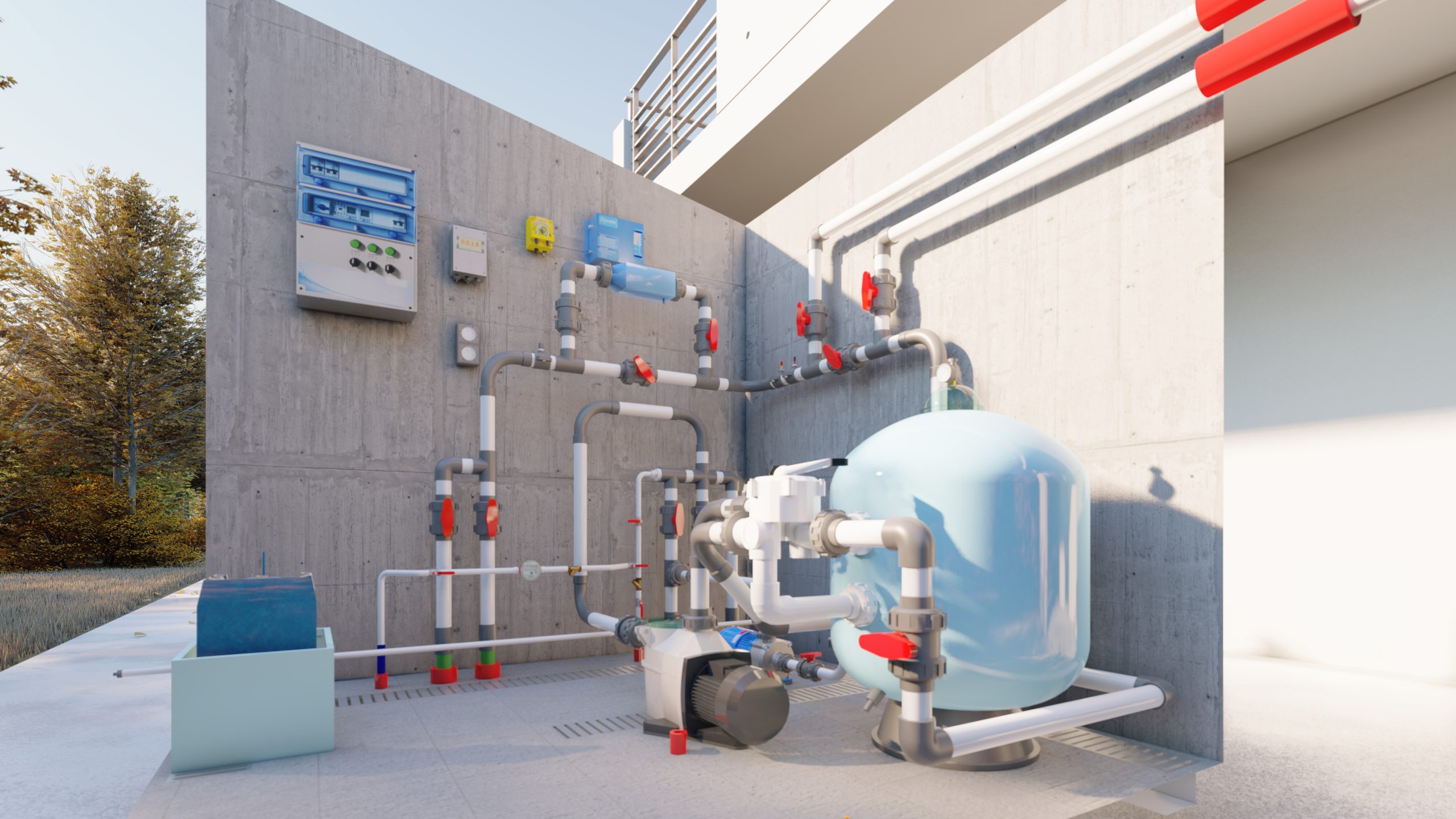
Your equipment pad is where the pool’s actual work happens. Ignore it long enough and it will eventually respond with noises, leaks, error codes and financial consequences.
Pump Maintenance
Listen for unusual noise, check the pump basket, watch for air bubbles, verify strong return flow and avoid running the pump with low water.
Filter Maintenance
Monitor pressure, clean cartridges, backwash when appropriate and replace worn filter elements when cleaning no longer improves performance.
Salt System Care
Check salt levels, inspect the salt cell, monitor error codes and remember that salt systems still require balanced water chemistry.
Heater Checks
Keep airflow clear around heat pumps, watch for error codes and make sure heating equipment is properly sized and integrated.
Automation Review
Confirm schedules, pump speeds, lighting controls, heater settings and app connections so automation actually automates instead of merely blinking.
Leak Checks
Look for water around pumps, filters, valves, heaters, salt systems and plumbing unions. Small pad leaks often become bigger problems.
Storm and Hurricane Season Pool Maintenance
Florida storms can dump rain, leaves, branches, dirt, roof runoff, screen enclosure debris and mystery objects into a pool. Before a storm, remove loose patio items, check drainage, secure outdoor furniture and make sure equipment is safe.
After heavy rain or storms, skim debris, clean baskets, check water level, inspect the equipment pad, test chemistry and rebalance the water. Do not assume clear-looking water is balanced. Florida rain is not a pool care product, despite arriving in bulk.
If a storm causes equipment damage, electrical concerns, flooding, deck shifting, broken tile or heavy contamination, it is smarter to request help than guess.
After-Storm Pool Checklist
- Remove large debris first
- Empty skimmer and pump baskets
- Check water level
- Inspect equipment before restarting
- Test chlorine, pH and alkalinity
- Brush and vacuum as needed
- Clean or backwash the filter if needed
- Watch for leaks, cracks or deck movement
When Maintenance Is Not Enough
Sometimes a pool problem cannot be solved with more chemicals, more brushing or another weekend of heroic denial. If the surface is worn, the equipment is failing, the deck is shifting, the pool is leaking or algae keeps returning, the real issue may be repair, resurfacing, remodeling or equipment upgrades.
Florida pools eventually show age. Plaster gets rough. Tile loosens. Coping cracks. Pumps wear out. Filters struggle. Lights fail. Decking settles. Salt systems age. The trick is recognizing when maintenance has become a bandage on a bigger problem.
That is when a consultation can save time and money by identifying what actually needs to be fixed.
Call for Help If You Notice
- Constant water loss
- Persistent cloudy water
- Recurring algae despite treatment
- Rough or pitted pool surface
- Loose tile or cracked coping
- Noisy or failing pump
- Weak return flow
- Stains that keep returning
- Deck cracks, sinking or drainage problems
Florida Pool Care by Season
Florida does not have traditional seasons. It has hot, hotter, wet, stormy, pollen, leaf-drop and “why is it cold for three days?” Still, your pool needs change throughout the year.
Spring
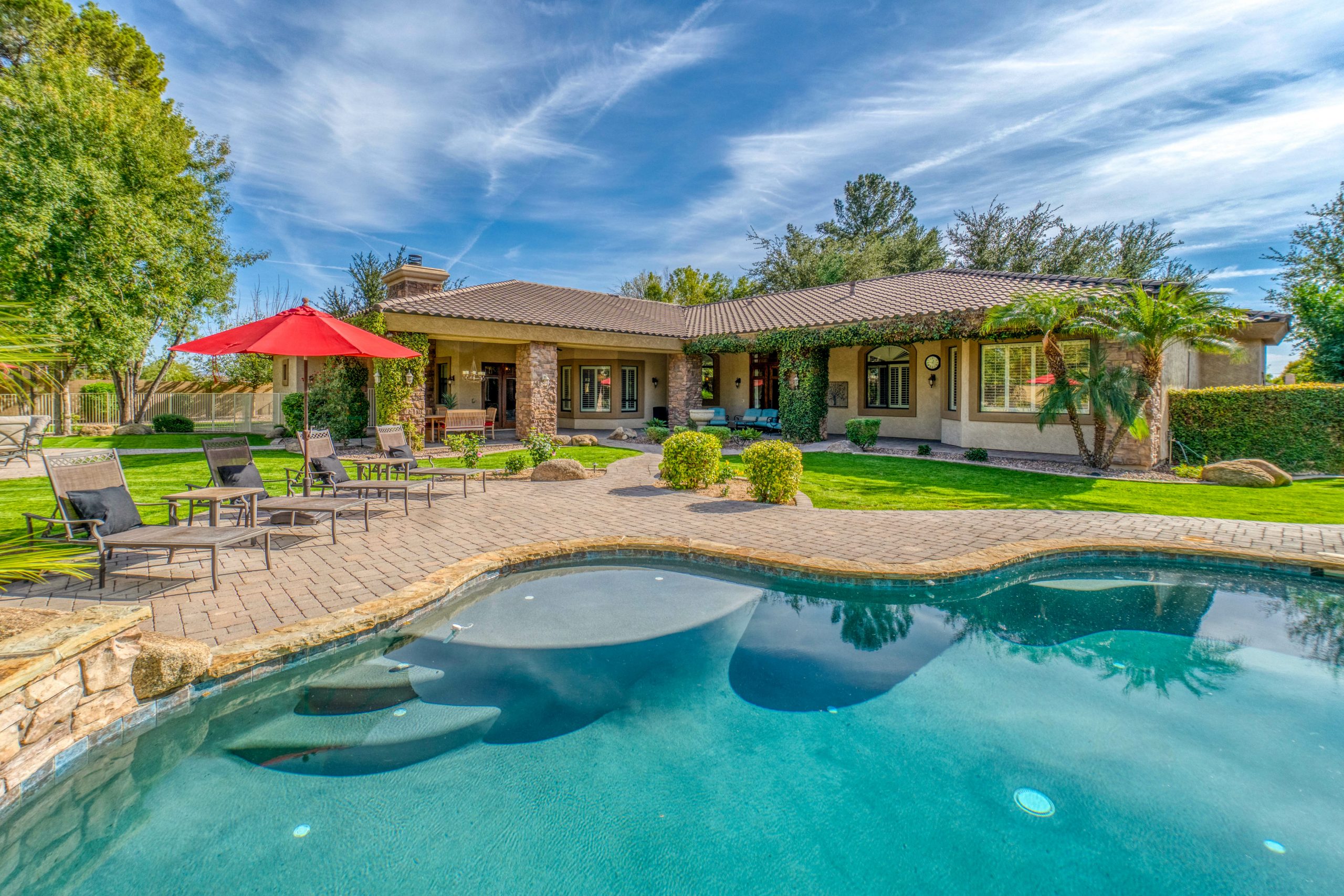
Prepare for heavier use, inspect equipment, clean filters, check chemistry and address stains or surface issues before summer.

Summer
Increase attention to chlorine, algae prevention, pump runtime, filter cleaning, storm debris and heavy swimmer load.
Fall
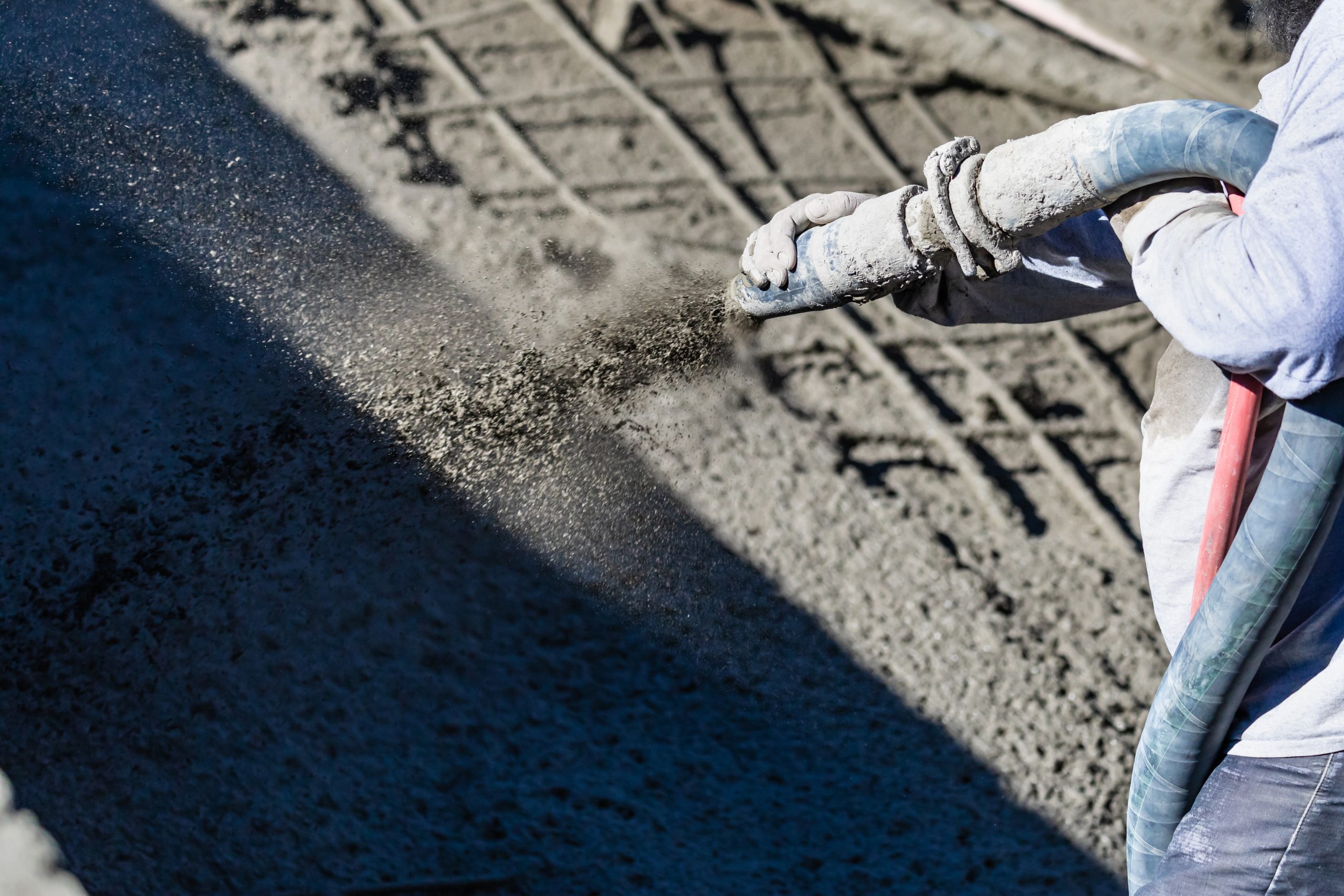
Manage storm cleanup, leaves, changing temperatures, equipment checks and planning for remodels or repairs.
Winter
Monitor chemistry, reduce but do not ignore maintenance, review heaters, pumps, lights and possible offseason upgrades.
Florida Pool Maintenance FAQs
Quick answers for Florida homeowners trying to keep their pool clear, balanced and not emotionally exhausting.
How often should I maintain my pool in Florida?
Most Florida pools need weekly maintenance at minimum. During summer, storms, heavy use, pollen season or algae-prone periods, pools may need more frequent skimming, brushing, testing and filter attention.
Why does algae grow so fast in Florida pools?
Algae grows quickly because Florida pools are exposed to warm water, strong sunlight, rain, humidity and organic debris. Low sanitizer, poor circulation, dirty filters and skipped brushing make algae problems worse.
How long should I run my pool pump in Florida?
Pump run time depends on pool size, pump type, filter, water temperature, chemistry, debris load and usage. Many Florida pools need longer circulation during hot months or after storms. Variable-speed pumps can often run longer at lower speeds more efficiently.
Should I clean my pool after every heavy rain?
After heavy rain, remove debris, check water level, clean baskets, test water chemistry and rebalance as needed. Heavy rain can dilute sanitizer, affect pH and alkalinity, introduce contaminants and encourage algae.
How do I know if my pool filter is dirty?
Signs include high filter pressure, weak return flow, cloudy water, frequent algae, debris returning to the pool or the pump struggling. Cartridge filters, sand filters and DE filters all have different cleaning needs.
Is a salt water pool maintenance-free?
No. Salt systems generate chlorine, but the pool still needs testing, brushing, filter cleaning, salt level checks, cell inspection, pH control and regular water balance. “Maintenance-free” is a myth, like a cheap pool remodel that never needs change orders.
How do I know if my pool is leaking or evaporating?
Some evaporation is normal, but frequent refilling, overnight water loss, wet areas, air bubbles, deck movement, loose tile or water dropping to a specific level may indicate a leak that should be inspected.
When does a Florida pool need resurfacing?
A pool may need resurfacing when the interior is rough, stained, pitted, cracked, hollow, discolored or uncomfortable on feet. If maintenance cannot keep the surface clean or smooth, resurfacing may be the real fix.
Can old equipment make pool maintenance harder?
Yes. Aging pumps, undersized filters, worn valves, weak circulation, failing salt systems, old heaters and poor plumbing layouts can all make maintenance more difficult and more expensive.
Do you help homeowners in Ormond Beach, Daytona Beach and Port Orange?
Yes. Service areas include Ormond Beach, Daytona Beach, Port Orange, Holly Hill, South Daytona, New Smyrna Beach, Palm Coast, Volusia County, Flagler County and nearby Florida communities.
Need Help With a Pool Problem in Florida?
If your pool is leaking, cloudy, rough, stained, hard to maintain, full of algae, running poorly, or ready for resurfacing, remodeling, equipment upgrades or repair, tell us what is going on. For faster help, call (386) 569-5669.