
How Long Does Pool Resurfacing Last?
Most pool resurfacing projects last 7 to 15 years depending on the finish, water chemistry, maintenance, sun exposure, and how heavily the pool is used. If your pool feels rough, stained, cracked, or outdated, resurfacing may be the right next step.
Average Pool Resurfacing Lifespan
Pool resurfacing lifespan depends heavily on the material used. Basic plaster may last around 7 to 10 years, while quartz and pebble finishes can often last longer with proper installation and balanced water chemistry.
Florida pools deal with strong sun, warm water, heavy seasonal use, rain, storms, and year-round chemical demand. That makes maintenance and water balance especially important if you want your resurfaced pool to last.
Often lasts around 7–10 years with proper care.
More durable than basic plaster and available in upgraded colors.
Premium option with strong durability and natural texture.
Water chemistry is one of the biggest lifespan factors.
Signs Your Pool Needs Resurfacing
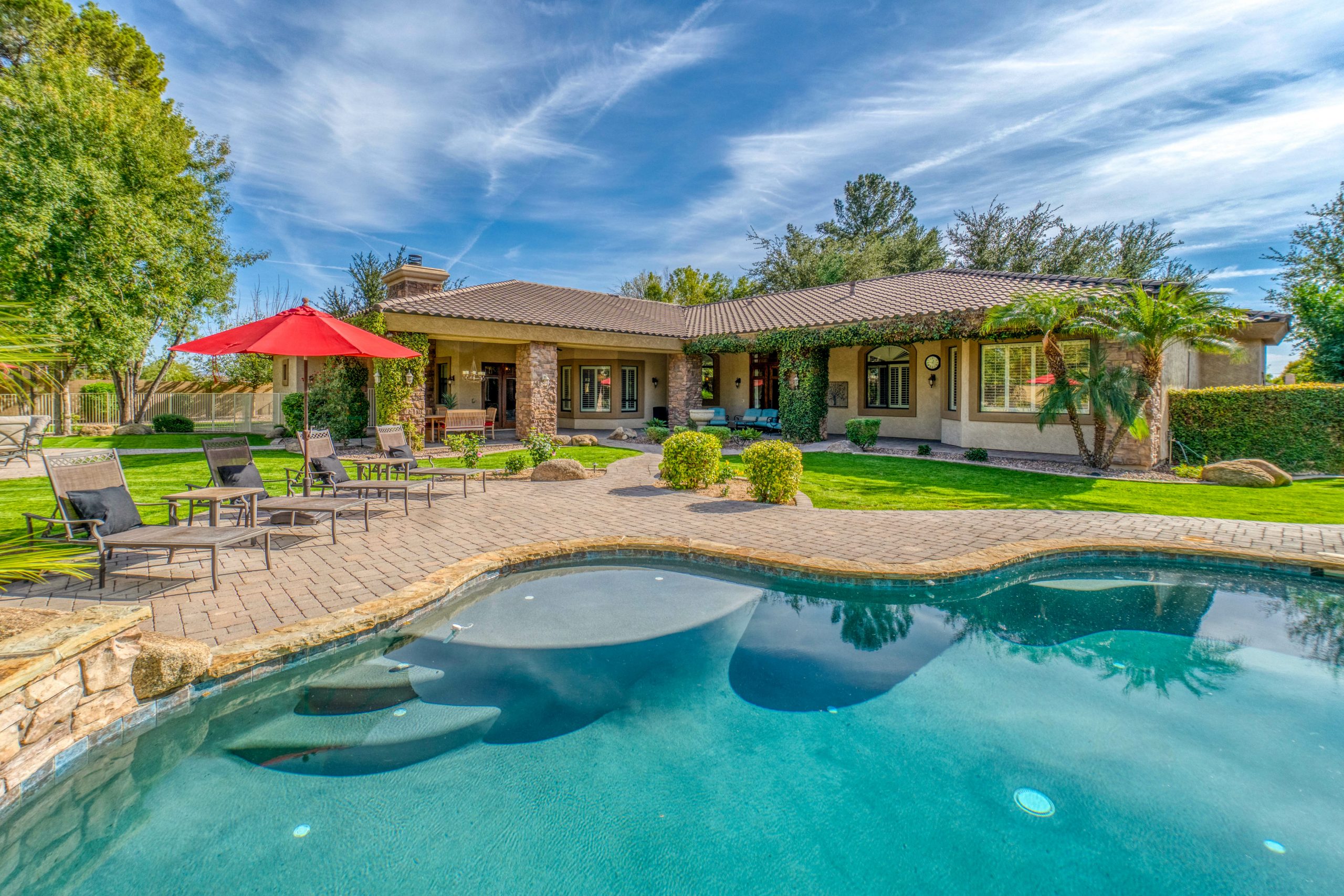
If your pool surface is failing, waiting too long can make the project more expensive.
Rough Surface
A rough or abrasive pool surface can scrape feet, damage swimsuits, and signal that the finish is wearing down.
Cracks & Stains
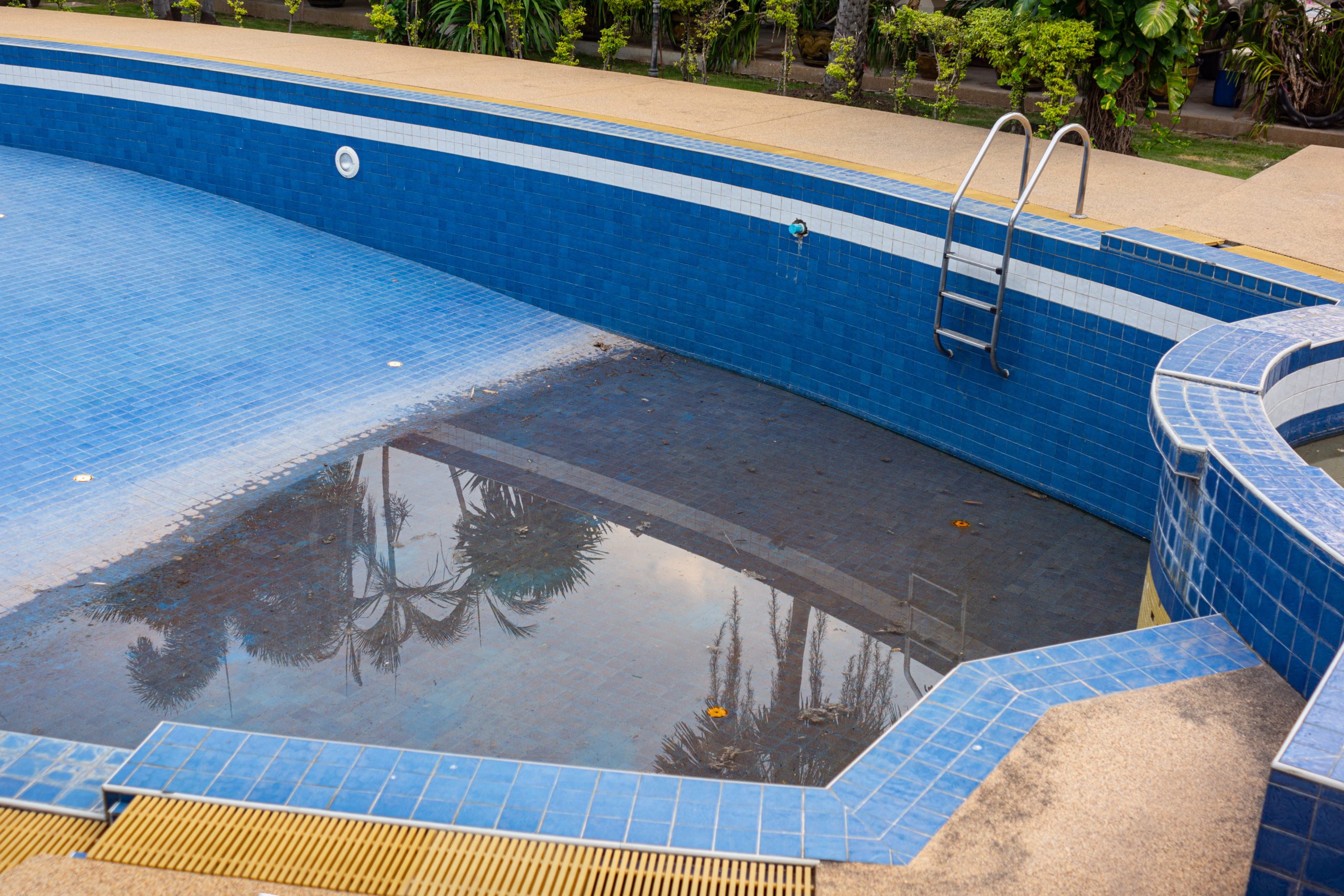
Cracking, staining, discoloration, peeling plaster, and exposed aggregate are all signs the surface may need attention.
Outdated Look
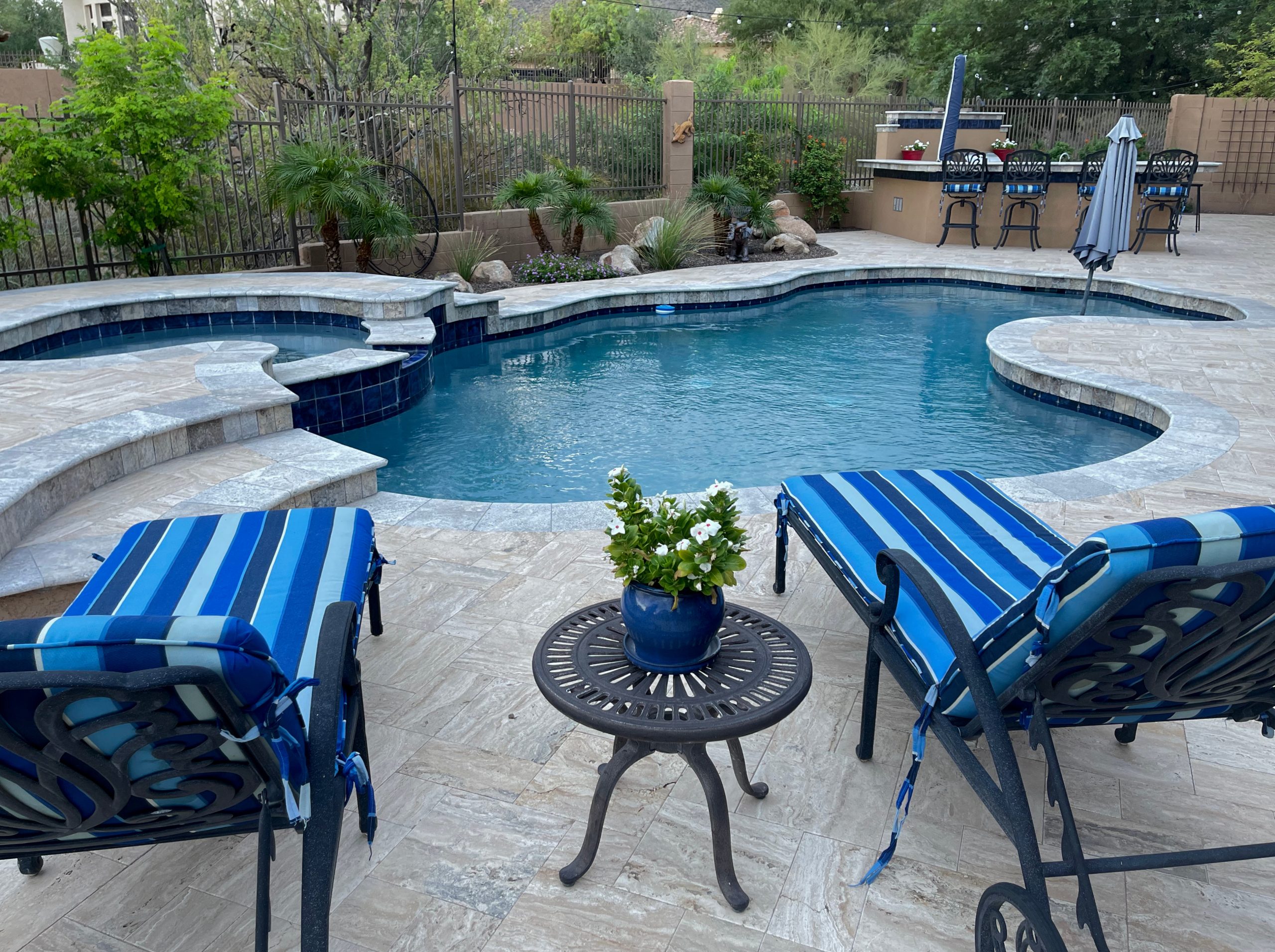
Many homeowners resurface during a remodel to modernize tile, coping, deck material, lighting, and equipment at the same time.
What Affects How Long Resurfacing Lasts?
The biggest factors are finish material, water balance, installation quality, pool usage, sun exposure, chemical management, and whether small issues are corrected before they become bigger problems.
Poor water chemistry can shorten the life of even a premium finish. Acidic water, high calcium, improper brushing, algae problems, and inconsistent chemical care can all damage the surface faster than normal.
Major Lifespan Factors
Finish material, daily sun exposure, water chemistry, brushing, pool usage, calcium levels, startup procedure, and maintenance consistency all affect how long resurfacing lasts.
Related Resurfacing & Remodeling Pages
Pool resurfacing often connects naturally with tile replacement, coping, deck upgrades, lighting, equipment upgrades, salt systems, and full pool remodeling.
Best Time To Resurface
The best time to resurface is before the pool surface becomes severely damaged. If the surface is rough, stained, cracked, peeling, or showing exposed material, it is time to request a consultation.
Pool Resurfacing Lifespan FAQs
How long does pool resurfacing last?
Pool resurfacing commonly lasts 7 to 15 years depending on the finish material, water chemistry, maintenance, usage, sun exposure, and installation quality.
What signs mean my pool needs resurfacing?
Common signs include rough surfaces, staining, cracks, peeling plaster, exposed aggregate, discoloration, water loss, sharp areas, and surfaces that are uncomfortable on feet.
Which pool finish lasts the longest?
Pebble and quartz finishes often last longer than basic plaster when installed correctly and maintained with proper water chemistry.
Can resurfacing be part of a larger pool remodel?
Yes. Many homeowners combine resurfacing with tile replacement, coping, travertine decks, LED lighting, salt systems, automation, and equipment upgrades.
Request A Pool Resurfacing Consultation
Tell us about your pool surface, age, stains, rough spots, cracks, or remodeling goals. We’ll help you determine whether resurfacing, repair, or a larger remodel is the right next step.