
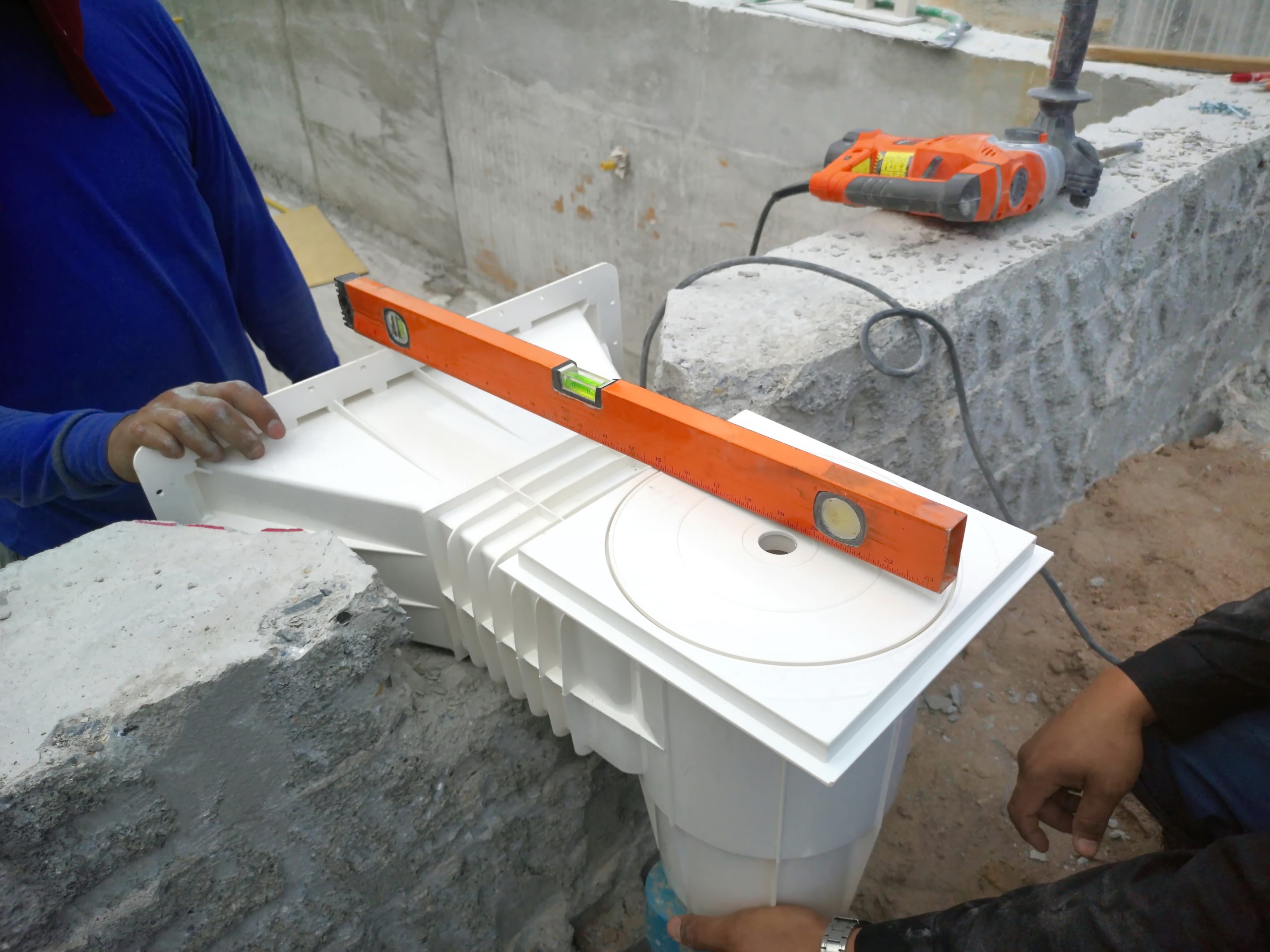
Schedule a Pool Inspection
Know What Your Pool Needs
If your pool is losing water, staining, cracking, running poorly, looking rough, or preparing for resurfacing or remodeling, a pool inspection helps identify what is actually going on before money starts flying around like it has no adult supervision.
Pool Inspection for Repairs, Remodeling and Peace of Mind
A pool inspection can help homeowners understand whether a pool needs repair, resurfacing, renovation, equipment upgrades, leak detection, tile replacement, deck work or a more complete remodel.
Florida pools deal with heat, UV exposure, storms, rain, shifting soil, salt air, aging equipment and chemistry swings. Over time, those conditions can create surface wear, loose tile, coping damage, water loss, poor circulation, stains and equipment problems.
The goal of a pool inspection is simple: look at the visible signs, identify likely concerns and help determine the right next step. Because guessing is fun only until it costs thousands of dollars.
Schedule an Inspection If You Notice:
- Water level dropping quickly
- Rough, stained or pitted surface
- Cracks in the pool surface
- Loose tile or coping
- Decking cracking or sinking
- Noisy pump or weak circulation
- Cloudy water that keeps returning
- Planning resurfacing or remodeling
What a Pool Inspection May Review
A pool inspection is about more than staring thoughtfully at the water and pretending wisdom is happening. The real value is reviewing the parts of the pool that affect safety, function, appearance and future repair costs.
Pool Surface
Rough plaster, stains, cracks, pitting, hollow spots and worn finishes may indicate resurfacing or deeper repair needs.
Leaks and Water Loss
Unusual water loss, wet spots, air bubbles, skimmer cracks and equipment pad moisture can point toward leak detection needs.
Pool Equipment
Pumps, filters, heaters, salt systems, valves, plumbing and automation controls should be reviewed for age, leaks and performance issues.
Tile and Coping
Loose tile, cracked coping, grout failure and calcium buildup can indicate renovation or tile replacement needs.
Pool Deck
Cracks, drainage problems, sinking areas, uneven surfaces and hot or outdated materials may lead to deck replacement or repair.
Lighting and Heaters
Pool lights, spa lights, heaters and controls may need review before remodeling, equipment upgrades or outdoor living improvements.
Pool Inspection Before Resurfacing or Remodeling
Before resurfacing or remodeling a pool, it is smart to inspect the pool condition carefully. A new surface will not fix a plumbing leak. New tile will not fix movement behind the wall. New equipment will not fix poor drainage around the pool deck.
A pre-remodel inspection helps identify issues that should be handled before the project begins. That may include leak detection, crack review, tile replacement, coping repair, deck evaluation, equipment upgrades or plumbing concerns.
This matters because the best time to fix many pool problems is before the new finish, tile or deck goes in. Fixing things afterward is usually more expensive and substantially more irritating, which is how construction keeps its little sense of humor.
Before Renovation, Check:
- Surface cracks and hollow spots
- Active leaks or suspected water loss
- Skimmer and return fittings
- Tile and coping condition
- Deck drainage and movement
- Equipment age and performance
- Lighting and electrical concerns
- Heater, salt system and automation
How the Pool Inspection Process Works
A good inspection process helps separate cosmetic issues from functional problems. Because not every ugly thing is dangerous, and not every expensive thing looks scary at first. Delightful.
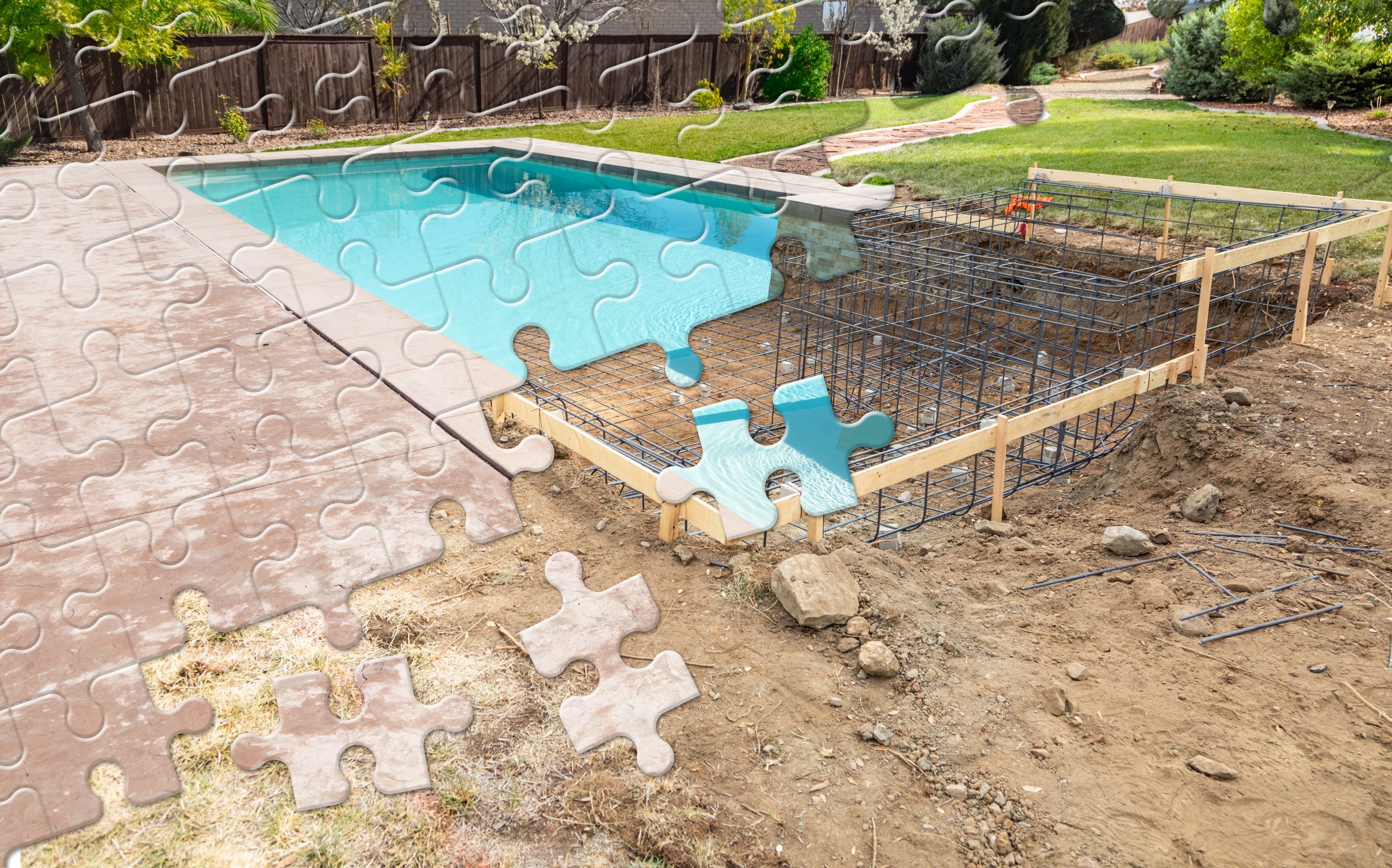
Describe the Issue
Tell us what you are seeing: water loss, stains, cracks, equipment problems, surface wear or remodeling plans.
Review Key Areas
Review visible pool surface, tile, coping, equipment pad, plumbing, deck, lights, heater and signs of leaks.

Identify Next Steps
Determine whether the pool may need leak detection, resurfacing, remodeling, tile replacement or equipment upgrades.

Plan the Fix
Move toward the right estimate, contractor review, repair plan, remodel scope or resurfacing consultation.
Pool Inspection Before Buying a Home
If you are buying a home with an existing pool, a pool inspection can help identify visible concerns that may not be obvious during a quick walkthrough. A pool can look pretty in listing photos and still have aging equipment, rough plaster, loose tile, leak symptoms or deck movement.
Homebuyers should pay attention to pool surface condition, equipment age, water level, pumps, filters, heaters, salt systems, deck cracks, drainage, tile, coping and whether the pool appears recently maintained.
This is not about killing the deal. It is about knowing what you are buying before the backyard surprise becomes your new unpaid hobby.
Homebuyer Pool Red Flags
- Rough or stained pool surface
- Water level below normal
- Cracked deck or coping
- Old or noisy equipment
- Cloudy or green water
- Loose tile
- Visible plumbing leaks
- Unknown resurfacing history
Pool Inspection FAQs
Quick answers for homeowners searching for pool inspections, leak inspections, pool repair assessments, resurfacing reviews and equipment checks.
When should I schedule a pool inspection?
Schedule a pool inspection if the pool is losing water, the surface feels rough, stains keep returning, equipment is noisy or failing, tile or coping is loose, decking is cracking or sinking, or you are considering resurfacing or remodeling.
What does a pool inspection look at?
A pool inspection may review the pool surface, tile, coping, deck, equipment pad, pump, filter, heater, plumbing, lighting, water level, visible leaks, cracks, drainage and signs of future repair or renovation needs.
Can a pool inspection find leaks?
A general pool inspection may identify signs of water loss or likely leak areas. If needed, more specific leak detection may be recommended to test plumbing, skimmers, fittings, lights or other leak points.
Should I inspect a pool before resurfacing?
Yes. Before resurfacing, the pool should be reviewed for leaks, cracks, hollow spots, tile issues, coping problems and other conditions that should be addressed before installing a new finish.
Can I schedule a pool inspection before buying a home?
Yes. A pool inspection can be useful before buying a home with an existing pool because it may help identify visible surface problems, equipment concerns, leak indicators, tile damage, deck issues or future repair needs.
Do you schedule pool inspections in Daytona Beach and Port Orange?
Yes. Pool inspection service areas include Ormond Beach, Daytona Beach, Port Orange, Holly Hill, South Daytona, New Smyrna Beach, Palm Coast, Volusia County and Flagler County.
Schedule Your Pool Inspection
Tell us what is happening with your pool: water loss, rough surface, cracks, stains, equipment issues, tile problems, deck concerns, lighting issues, heater problems or remodeling plans. For faster help, call (386) 569-5669.